Get Concrete Blocks Installation
Concrete blocks installation services help property owners build or repair walls, barriers, and foundations for projects like landscaping, fencing, or structural support.
If you're considering a concrete block installation for your property, you're in the right place to explore your options. Property owners often turn to concrete blocks for their durability, versatility, and cost-effectiveness when planning projects like retaining walls, boundary fences, or decorative features. Comparing local contractors can help ensure the work aligns with your project's needs, whether you're enhancing privacy, improving landscape stability, or adding functional design elements.
Finding experienced service providers nearby can make a significant difference in achieving a successful outcome. Local contractors understand the specific conditions and requirements of properties in the area, offering practical insights and reliable craftsmanship. Continue browsing to discover how connecting with qualified professionals can support your project planning and help you bring your vision to life.
- Residential Driveway - homeowners needing durable and attractive concrete block driveways.
- Commercial Landscaping - businesses requiring sturdy concrete blocks for outdoor project foundations.
- Retaining Walls - property owners seeking to manage slope stability and prevent erosion.
- Patio and Outdoor Spaces - clients looking to create functional and stylish outdoor living areas.
- Foundation Reinforcement - builders or homeowners needing additional support for structures.
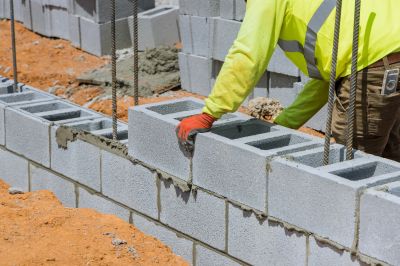
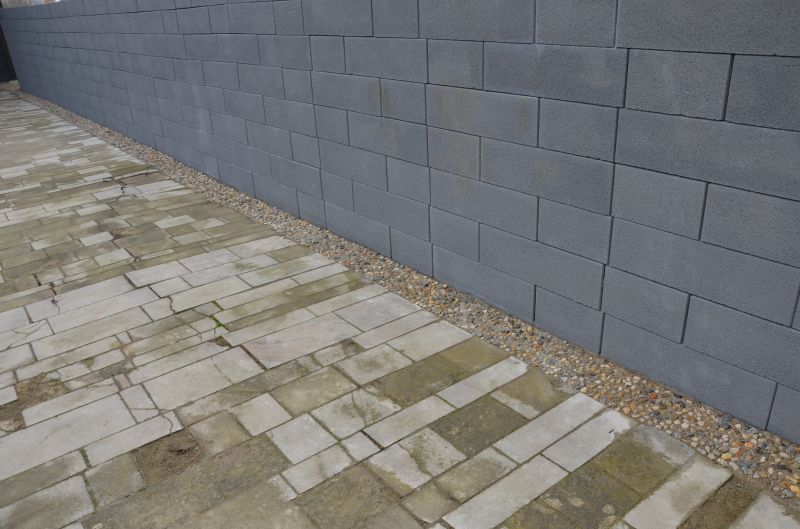
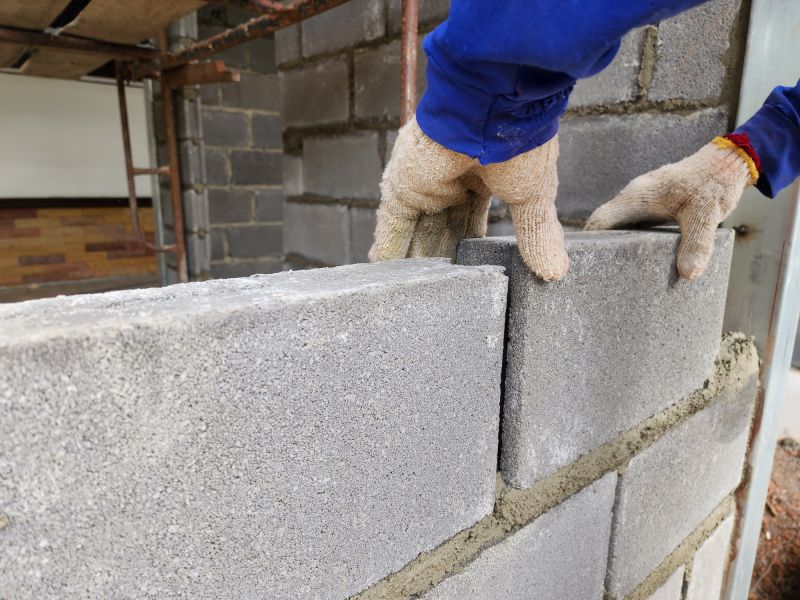
Concrete blocks installation services involve placing durable, pre-formed concrete units to create various structures around a property. This process typically includes preparing the site, laying a stable foundation, and carefully positioning each block to ensure proper alignment and stability. Skilled contractors may also reinforce the installation with mortar or other binding materials to enhance strength and longevity. These services are essential for creating functional features such as retaining walls, boundary fences, garden borders, or decorative enclosures that withstand the test of time and weather.
This type of service helps address common property challenges like soil erosion, uneven terrain, or the need for added privacy and security. Installing concrete blocks can prevent land from shifting or collapsing, especially on sloped or unstable ground. Additionally, they provide a solid barrier that can help reduce noise, block unwanted views, or define outdoor spaces clearly. For homeowners facing issues with property boundaries, drainage problems, or landscape stabilization, concrete block installation offers a practical, long-lasting solution.
Properties that often utilize concrete blocks installation include residential homes, commercial buildings, and public parks. Homeowners may choose concrete blocks to build retaining walls that hold back garden soil or to create durable fencing around their yard. Commercial properties might use them for boundary demarcation or security barriers, while parks and community spaces often incorporate concrete blocks into landscape design for seating, planters, or decorative features. The versatility and strength of concrete blocks make them suitable for a wide range of property types and purposes.
Homeowners considering concrete blocks installation typically do so when they need a sturdy, low-maintenance solution for structural or aesthetic improvements. Whether reinforcing a sloped yard, creating a private outdoor area, or establishing a clear property boundary, this service can provide a reliable foundation. Local contractors who specialize in concrete block work can assess the specific needs of a property, recommend suitable materials, and execute the installation efficiently. Contacting experienced service providers can help ensure the project is completed correctly and meets the intended purpose.
The overview below groups typical Concrete Blocks Installation projects into broad ranges so you can see how smaller, mid-sized, and larger jobs often compare in your area.
In many markets, a large share of routine jobs stays in the lower and middle ranges, while only a smaller percentage of projects moves into the highest bands when the work is more complex or site conditions are harder than average.
Smaller Repairs - Typical costs for minor concrete block repairs range from $250 to $600, covering tasks like patching or replacing individual blocks. Many routine jobs fall within this middle range, depending on the extent of damage.
Standard Installation - Installing new concrete block walls or features usually costs between $1,500 and $4,000 for most projects. Local contractors often handle these common sizes within this typical cost band.
Full Wall Replacement - Replacing or rebuilding large sections of concrete block walls can range from $4,500 to $10,000 or more. Larger, more complex projects tend to push into the higher end of this spectrum.
Custom or Complex Projects - Highly detailed or custom concrete block work, such as decorative walls or structural features, can exceed $10,000, with costs depending on design complexity and scope. Many projects in this category are less frequent but represent the upper-tier investment.
Actual totals will depend on details like access to the work area, the scope of the project, and the materials selected, so use these as general starting points rather than exact figures.
Retaining Wall Construction - professionals skilled in building durable retaining walls often have experience with concrete block installation and site preparation.
Paving and Walkway Installation - local contractors who install concrete pavers and walkways utilize similar skills in surface leveling and material handling.
Foundation Pouring and Repair - experts in foundation work often work with concrete blocks when creating or repairing structural bases for buildings and structures.
Landscape Edging Projects - landscape edging using concrete blocks requires planning and precise placement, akin to larger concrete block installation jobs.
Concrete Surface Finishing - finishing concrete surfaces involves skills in mixing, pouring, and surface treatment, related to concrete block installation techniques.
Fence and Boundary Wall Construction - building boundary walls with concrete blocks involves similar planning, leveling, and structural considerations as other block installation projects.
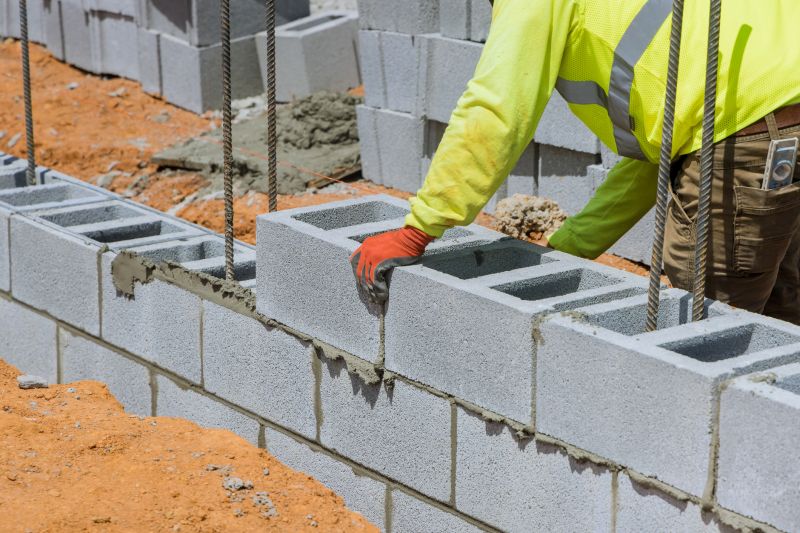
When comparing local contractors for concrete blocks installation, it is important to consider their experience with similar projects. Homeowners should look for service providers who have a proven track record of handling projects comparable in scope and complexity. An experienced contractor is more likely to understand the nuances of working with concrete blocks, ensuring that the work is completed efficiently and to a high standard. Gathering information about their previous work and asking about specific projects can help determine if a contractor has the relevant background to meet the specific needs of the job.
Clear, written expectations are essential when evaluating potential service providers. Homeowners should seek contractors who can provide detailed estimates and scope of work in writing. This helps prevent misunderstandings and ensures all parties are aligned on what the project entails, including materials, methods, and any other relevant details. Having a well-defined plan in writing also makes it easier to compare different contractors objectively and to hold them accountable for delivering on the agreed-upon terms.
Reputable references and effective communication are key factors to consider when selecting local pros. Homeowners should ask for references from past clients who can speak to the quality of work and professionalism. Additionally, good communication from the contractor-such as prompt responses, clarity in explanations, and willingness to answer questions-can indicate a reliable and customer-focused service provider. While these qualities do not guarantee a perfect outcome, they are important indicators of a contractor’s professionalism and their ability to work collaboratively throughout the project.
Property owners use Concrete Blocks Installation services for practical projects around their homes and businesses. This guide focuses on everyday jobs and straightforward project options.
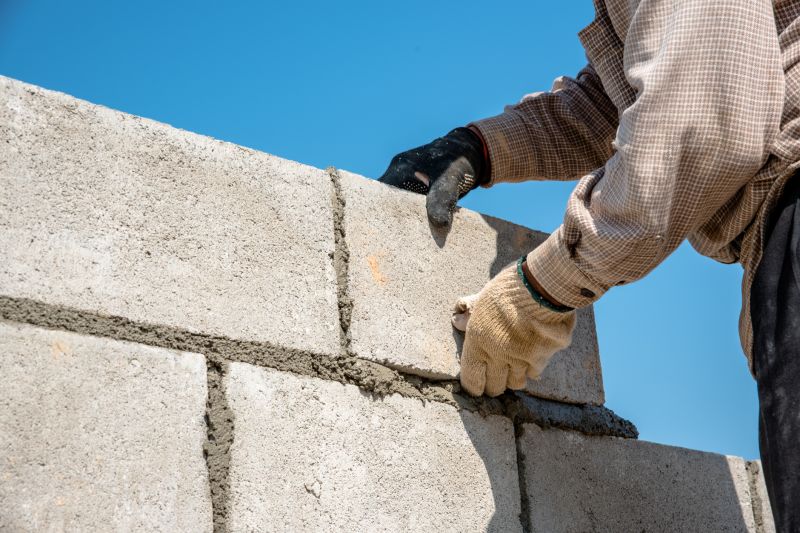
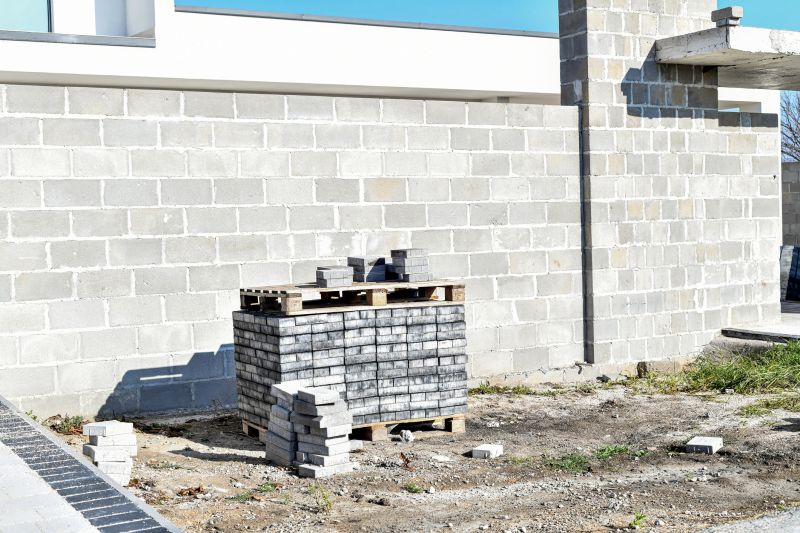
Concrete blocks installation is a common project for property owners looking to improve the durability and appearance of their outdoor spaces. Whether building a retaining wall to manage soil erosion, creating a sturdy boundary for a garden, or constructing a new patio area, local contractors can provide the expertise needed for a successful job. These projects often arise from everyday needs like enhancing privacy, increasing property value, or fixing existing structures that have become worn or damaged over time.
Many property owners seek concrete blocks installation when planning renovations or repairs around their homes or commercial properties. Simple tasks such as upgrading a tired fence line, adding a decorative element, or reinforcing foundations are typical reasons for seeking professional help. Local service providers are available to assist with these projects, offering solutions tailored to the specific needs of each property and ensuring a durable, attractive result.
What types of concrete blocks are suitable for installation projects? Local contractors typically recommend various types of concrete blocks such as standard, decorative, and structural blocks, depending on the project's needs.
How should I prepare the site for concrete block installation? Proper site preparation involves clearing the area, leveling the ground, and ensuring a stable foundation, which local service providers can assist with.
What are common methods used to install concrete blocks? Installation methods often include laying blocks on a mortar bed, using adhesive, or dry stacking, depending on the application and local contractor practices.
Are there specific tools or materials needed for concrete block installation? Yes, tools like trowels, levels, and mortar mixers are typically used, and local pros can provide or recommend the necessary materials.
What maintenance is required after concrete blocks are installed? Maintenance generally involves periodic cleaning and inspecting for damage, with local contractors able to advise on best practices for longevity.
Garden Borders and Edging - Local contractors can install concrete blocks to create defined borders around flower beds or lawns, enhancing curb appeal and organization.
Retaining Walls for Landscaping - Property owners can use concrete blocks to build retaining walls that manage soil erosion or create level areas on sloped terrain.
Driveway and Pathway Construction - Local pros can lay concrete blocks to develop durable driveways or walkways that improve accessibility and outdoor aesthetics.
Privacy and Boundary Walls - Installing concrete block walls can provide privacy or mark property boundaries effectively for added security.
If you are thinking about Concrete Blocks Installation for a property, this guide is meant to help you understand the work, the typical project types, and how different options might fit your plans.
When you are ready, you can use the quote form on this page to share a few details about your project. From there, local pros can review the basics and respond with options that match what you have in mind.